

New requirements for N₂O measurement at wastewater treatment plants – what does the EU wastewater directive mean?
The EU's new wastewater directive introduces changed requirements for monitoring greenhouse gas emissions from wastewater treatment plants. One of the gases

Measurement of NOx emissions – methods, equipment and requirements
Nitrogen oxides, NOx, are a common emission parameter in combustion and industrial processes. For operations that need

Continuous emission measurement – that’s how a measurement system works
When emissions from an industrial process need to be monitored over time, it is not always sufficient to

Smoke gas measurement – measurement and analysis of industrial flue gases
Fumes from industrial processes and combustion plants can contain several different gases and particles that need to be removed.

Different methods for measuring and analyzing gas
Measuring gas can involve everything from detecting a dangerous gas leak to continuous monitoring.

Gas equipment for hydrogen production – safe detection, monitoring and proper protection
Hydrogen production places other requirements on gas monitoring than many traditional industrial processes. Hydrogen is colorless and odorless,

ATEX-approved gas detectors – what is required in explosive atmospheres?
In workplaces where flammable gases or vapors may be present, it is not enough that the gas detector can detect them.

How can carbon monoxide poisoning be prevented in workplaces where the gas may be present?
Carbon monoxide is a particularly difficult workplace hazard because the gas is neither visible nor odorous. A person can

Leakage monitoring logger system – continuous monitoring of gases
A gas leak does not have to be large to cause problems. Small or recurring emissions can

Acoustic leak detection – what equipment is recommended?
Leaks in compressed air, process gases and vacuum systems can be both costly and difficult to find. One

Common VOC gases (Volatile Organic Compounds)
VOC stands for Volatile Organic Compounds, or volatile organic substances. These substances are released as gases

Common asphyxiating gases to monitor
Choking gases are gases that can displace the oxygen in the air. They are often colorless,

Common explosive gases (ATEX)
ATEX-classified environments exist where flammable gases, vapors, or fumes can form explosive atmospheres together with

Common toxic gases to monitor
For industry, real estate, process plants, waterworks, energy facilities, and work environments, these are some of the most important toxic substances.

Common flammable gases to monitor
Gas Chemical name Common uses Risks Methane CH₄ Natural gas, biogas, sewage systems May form explosive gas mixtures

What is LEL and how is it measured?
LEL, or Lower Explosive Limit, is the lowest concentration of a flammable gas in the air
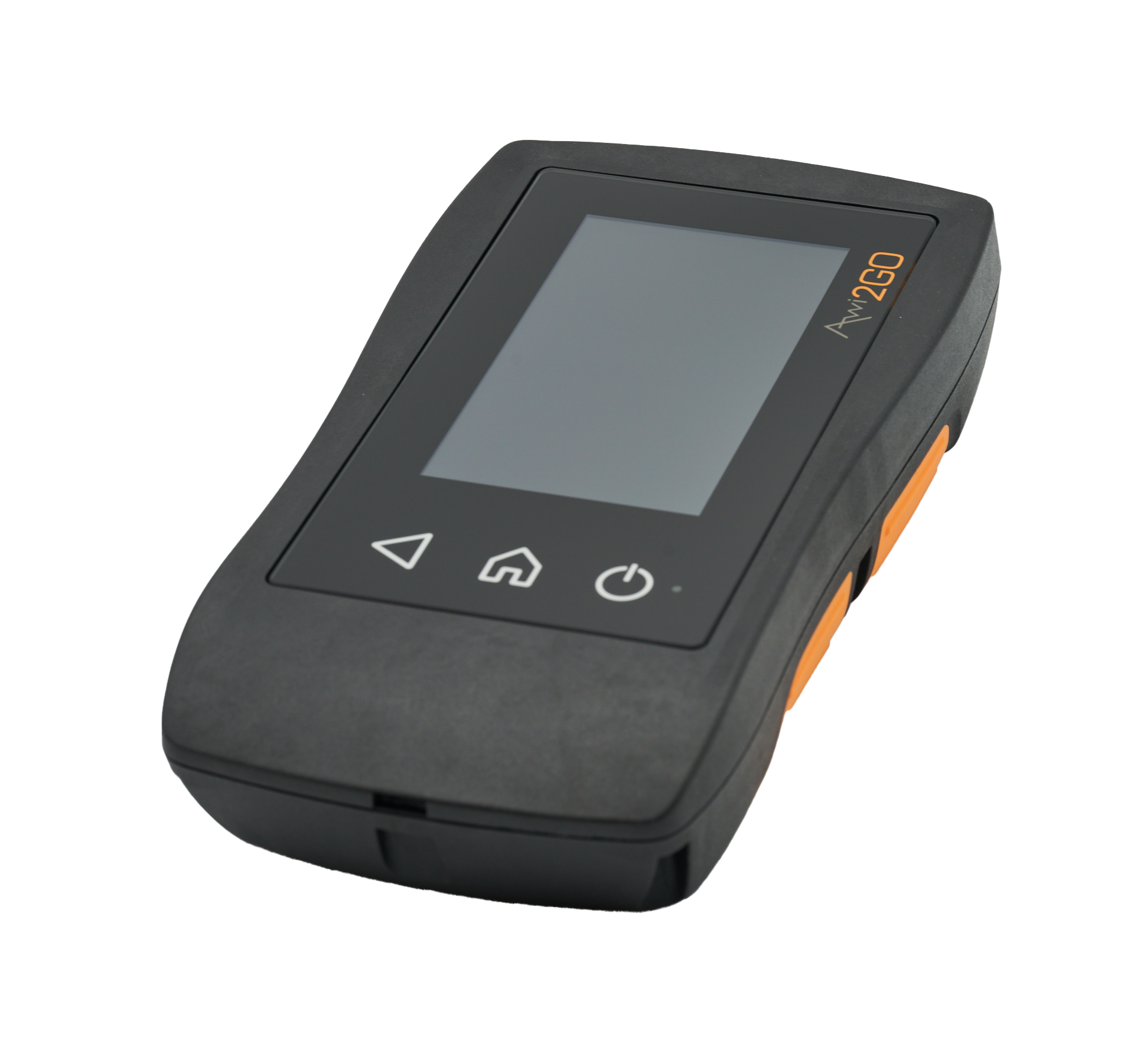
Measurement and analysis in biogas plants
In a biogas plant where process gas (raw gas) and upgraded gas (final product) are handled in different parts, it is required
Gas monitoring in a biogas plant
Biogas plants handle methane and other combustible gases during storage and processing. To minimize risks

When must gas detectors be used in the workplace?
Working in environments where gases may be present involves risks that are not always visible

What is VOC?
VOC stands for ”Volatile Organic Compounds”, or in Swedish, volatile organic compounds. These are organic

Buying guide: Choose the right gas meter
Choosing the right gas meter is crucial for ensuring safety, compliance with regulations, and efficiency

Carbon monoxide in industry
Carbon monoxide is an important chemical compound in industry, known for its use in several industrial processes.

Nitrogen in industry
Nitrogen is one of the most widely used gases in industry, known for its versatile applications

The risks of working without knowing the hygiene limit values
Working in environments where gases are present involves specific health risks that are important to be aware of.